Make Art Hoodie Design: A Designer's Real-World Review
When I first pulled up the Make Art Hoodie Design on my screen, my immediate reaction wasn't just about whether it looked "cute." As someone who spends hours hooping fabric and trimming jump stitches, my first thought was practical: how will this translate from a digital graphic into a tangible, stitched reality? In the world of T-Shirt Designs and Graphics, there is often a massive gap between what looks good on a website mockup and what actually survives the needle of an embroidery machine. This review breaks down the potential of this design for real-world projects, focusing on stitch quality, fabric compatibility, and commercial viability for small shop owners.
First Impressions: Mood and Visual Personality
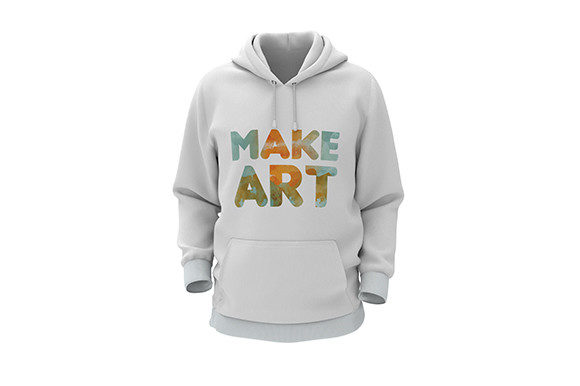
The Make Art Hoodie Design carries a distinct, creative energy. It feels less like a generic clipart image and more like a statement piece intended for the maker community. The layout suggests a balance between bold typography and illustrative elements, which is crucial for embroidery. When evaluating a machine embroidery design, I look for clear separation between elements. If the lines are too close together, they risk merging into a blob of thread once stitched. From a visual standpoint, this design exudes a modern, artisanal vibe that fits perfectly with the current trend of "maker culture" apparel. It speaks directly to painters, crafters, and anyone who identifies with the creative process, making it an excellent candidate for custom apparel aimed at niche audiences.
Real-World Application: Beyond the Basic Tee
While the title suggests a hoodie, limiting this embroidery file to just sweatshirts would be a mistake. I recently considered a scenario where a local art supply store needed branded merchandise for an upcoming workshop series. The Make Art Hoodie Design immediately came to mind, not for a hoodie, but for a heavy-canvas tote bag design. The structural integrity of the design elements seems robust enough to handle the texture of canvas without getting lost.
Furthermore, imagine a boutique specializing in baby embroidery. Scaling this design down for a onesie or a bib could work beautifully, provided the smallest details hold up. The theme of creating art is timeless and appeals to parents who want to encourage creativity early on. For Etsy sellers looking to expand their small shop product lines, this design offers versatility. It could easily transition into an embroidered patch for jackets, a subtle accent on a denim apron for a pottery studio, or even a focal point on a decorative pillow cover for a home office. The key is recognizing that the design's value lies in its adaptability across different handmade products.
Navigating Fabric Textures and Stitch Challenges
Every designer knows that fabric choice can make or break an embroidery project. With the Make Art Hoodie Design, one must be cautious about stitch density. If the original Graphics source was intended for print, the digitized version for embroidery needs careful scrutiny. Dense areas, particularly if there are large filled sections, can cause puckering on stretchy fabrics like jersey knits used in t-shirts.
If you are planning to use this on a sweatshirt embroidery project, the fleece backing usually provides enough stability. However, for thinner materials, using a high-quality cut-away stabilizer is non-negotiable. I also worry slightly about curved surfaces. Placing this on a cap requires a design that doesn't have wide, flat spans of stitching that might warp over the crown's curve. If the design includes fine lettering or intricate running stitch details, these might get lost on textured fabrics like terri cloth or heavy wool blends. Always test on scrap fabric that matches your final material before committing to a production run.
Commercial Viability and Brand Consistency
For craft business owners, consistency is key to building trust. The Make Art Hoodie Design has the potential to elevate brand perception if executed well. A clean, crisp stitch job signals professionalism, whereas skipped stitches or poor tension can cheapen the perceived value of the item. When selling personalized gifts or holiday embroidery items, customers are paying for the finish as much as the design.
This design works exceptionally well for commercial embroidery projects where the goal is to create a cohesive look for a team or a specific event. For instance, a weekend painting retreat could use this on participant shirts. However, before listing this as a digital embroidery file or selling finished goods, you must verify the licensing terms. The product description mentions experience with platforms like Amazon and Redbubble, but it does not explicitly state the license type for the end-user. Are you allowed to sell unlimited physical items? Can you resize and resell the file itself? These are critical questions to answer to avoid legal pitfalls in your design assets library.
Practical Notes for the Working Designer
Before you hoop up and start stitching, here are a few actionable steps to ensure the Make Art Hoodie Design performs as expected:
- Check the Thread Colors: Screen colors rarely match thread charts exactly. Map the design to your specific thread brand (Madeira, Isacord, etc.) to ensure the contrast remains sharp.
- Review Stitch Types: Look for a mix of satin stitch for borders and fill stitch for larger areas. Avoid designs that rely solely on running stitches for large fills, as they lack durability.
- Confirm Hoop Size: Ensure the design fits within your available hoop sizes without needing excessive re-hooping, which can lead to alignment issues.
- Test on Dark and Light Fabrics: Some designs rely on the background color for contrast. Verify that the design includes an underlay or backing stitch if you plan to use it on dark garments.
- Inspect Small Details: Zoom in on the digital preview. Are there tiny isolated stitches that might become loose threads after washing?
Ultimately, the Make Art Hoodie Design shows promise as a versatile asset for the creative entrepreneur. It bridges the gap between digital T-Shirt Designs and tactile finished products. Whether you are creating a printable mockup for your online store or stitching a one-of-a-kind gift, the success of this design depends on your attention to detail during the setup phase. By respecting the limitations of the medium and choosing the right materials, you can turn this graphic into a standout piece that resonates with customers and stands the test of time.