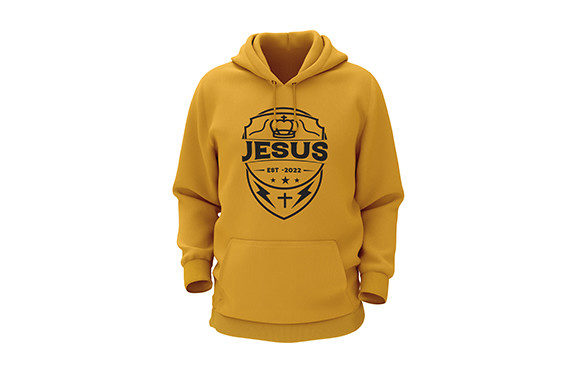
Jesus-T-Shirt-Design: Graphics for T-Shirt Designs
As a brand designer who has spent the last decade helping local entrepreneurs transform their visions into tangible identities, I approach every new graphic design asset with a critical eye. It is not enough for an image to look good on a screen; it must survive the rigors of print, scale down for a hang tag, and stand out on a crowded retail shelf. Recently, I evaluated the Jesus-T-Shirt-Design collection for a potential project involving a faith-based boutique and a line of organic skincare products. My goal was to determine if these T-Shirt Designs could transcend their primary category to serve as versatile elements for comprehensive small business branding.
First Impressions and Brand Personality
Upon opening the files, the immediate impression is one of warmth and authenticity. The Graphics within this collection strike a balance between modern typography and traditional iconography, creating a mood that feels both reverent and approachable. For a local business, particularly one rooted in community values like a bakery, a coffee shop, or a handmade soap studio, this aesthetic is invaluable. The design suggests a brand personality that is trustworthy, grounded, and spiritually aware without being overly aggressive.
The style leans heavily towards the "handmade" and "organic" spectrum, making it an excellent fit for handmade business owners who want to convey a sense of personal care in their products. Unlike the sterile vectors often found in corporate libraries, these illustrations possess a texture that implies human touch. This is crucial for building an emotional connection with customers who are increasingly seeking meaning in their purchases. Whether used for a seasonal campaign or a permanent logo mark, the design exudes a soft, decorative quality that invites closer inspection.
Versatility Beyond Apparel
While the title suggests a focus on apparel, my review focused on expanding the utility of these assets for broader brand identity applications. In the context of a real-world project, such as launching a new line of artisanal candles or a children's clothing brand, the Jesus-T-Shirt-Design offers surprising flexibility. Here is how I envision deploying these Graphics across various touchpoints:
- Packaging Design: Using the central motif as a hero graphic on box lids or jar labels to instantly communicate the brand's core values.
- Product Label: Scaling the illustration down for use on ingredient lists or certification badges, adding a layer of trustworthiness.
- Hang Tags and Thank-You Cards: Incorporating the design into printable inserts that accompany online orders, enhancing the unboxing experience.
- Social Media Graphics: Utilizing the high-resolution files for Instagram stories and Facebook posts to maintain visual consistency across digital channels.
- Promotional Banners: Adapting the layout for website headers or email marketing campaigns during religious holidays or community events.
The ability to repurpose what starts as a T-Shirt Design into a cohesive system for packaging design and marketing visuals is a hallmark of a high-quality asset. It allows a small business owner to maintain a unified voice without commissioning multiple custom illustrations, thereby saving budget while elevating the perceived value of the brand.
Enhancing Business Presentation and Trust
In the competitive landscape of creative marketplace sales and local retail, first impressions are everything. Integrating a well-crafted illustration like this into your professional branding strategy can significantly improve product recognition. When a customer sees a consistent visual theme across a product mockup, a physical store display, and a digital ad, it creates a sense of legitimacy.
This specific design supports better visual hierarchy by providing a strong focal point that draws the eye before the customer even reads the text. For food businesses or skincare brands, where trust is paramount, the gentle and respectful nature of the imagery fosters a stronger emotional connection. It signals that the business cares about more than just profit; it cares about heritage and belief. This subtle psychological cue can be the difference between a browser becoming a buyer.
Strategic Placement and Cautionary Notes
However, not every design fits every context. While the Jesus-T-Shirt-Design excels in boutique visuals and seasonal packaging, it requires careful consideration in other areas. I would advise against using this specific style for formal corporate branding where a neutral, minimalist approach is required. Similarly, on very small labels where legal information and ingredient lists are dense, adding a decorative element might clutter the layout and reduce readability.
It is also essential to consider contrast. These Graphics should not be placed on low-contrast backgrounds where the details might get lost. For luxury minimalist brands that rely on vast amounts of negative space, this illustration might feel too busy unless significantly simplified. The key is to ensure the decoration never competes with critical text, such as pricing or safety warnings.
Practical Notes for the Brand Designer
Before finalizing any client work or launching a digital product line, there are several technical steps I always recommend when working with assets like this. First, test the design on real product mockups to see how the colors interact with different materials, such as kraft paper, glossy plastic, or cotton fabric. It is vital to check the black and white usage, as many local printers still operate in monochrome for cost efficiency.
Preview the asset on small labels to ensure the lines do not blur or merge. When pairing this illustration with typography, experiment with serif fonts for a classic look, sans serif for modernity, or script fonts to enhance the handmade feel. Always inspect the file formats; confirm whether you are working with a PNG design for transparency or an SVG design for infinite scalability. If the source mentions experience with platforms like Amazon, Shopify, or Etsy, it implies the files are likely optimized for web and print, but verifying the resolution is non-negotiable.
Finally, and most importantly, review the commercial licensing terms. Ensure you have the right to use the asset for commercial design, physical product sales, and client projects. A robust commercial license protects your business and allows you to confidently build a logo design or editorial design around the artwork. By treating these design assets with the rigor they deserve, you can transform a simple illustration into the cornerstone of a thriving local brand.